
India has no single best month, because the country spans deserts, rainforest, plains and high mountains. This guide matches months to regions and trip styles, explains the monsoon, fog and heat honestly, and shows how to choose dates you will not regret.
Reviewed by Mirza Shadab Beg, Founder, Travelage India, Agra · Last updated 28 October 2026 · 13 min read
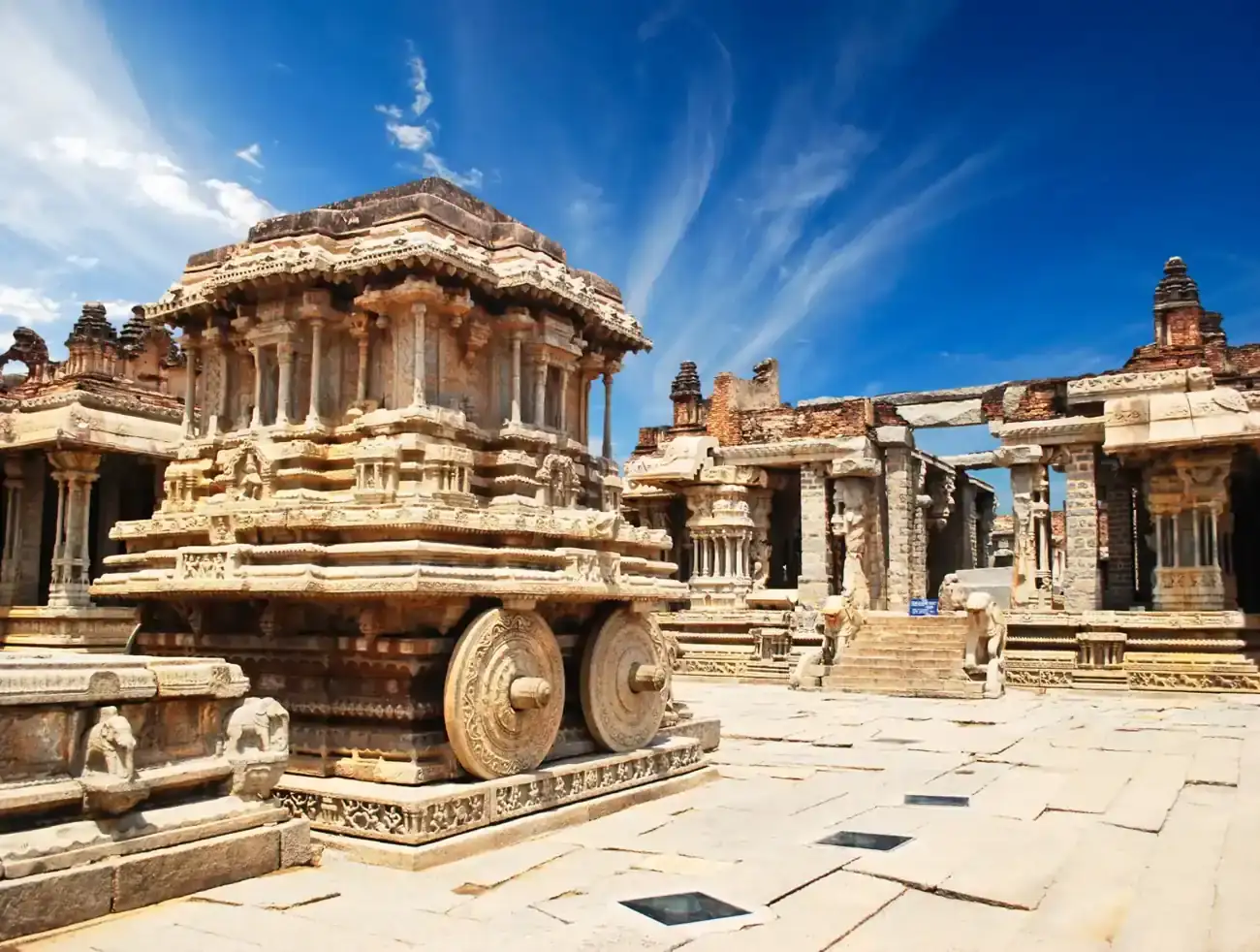
October to March is the best window for most first-time trips, especially the Golden Triangle, Rajasthan and Kerala. Tiger parks run from about October to June, the Himalaya is best from about April to October, and Goa from November to February. July to September is monsoon: green, quiet and unpredictable.
India is not one climate, it is several. The north has a real winter, the south stays warm all year, the west coast is drenched in summer, the desert swings between scorching days and cold nights, and the Himalaya is closed by snow for part of the year. That is why no single month works for everyone, and why the first question to ask is not “when is the best time?” but “where am I going?”.
For a first visit, the safest default is the cool, dry season from about October to March. Skies are clearer, days are comfortable for sightseeing, and nearly every region is open. If your dates are flexible, aim for the shoulders of that window, late October to November or February to March, when the weather is good and the crowds are thinner than in the Christmas and New Year peak.
If your dates are fixed, do not worry. Almost every month suits some part of India. The skill is in matching the month to the place, and the rest of this guide does exactly that. For official background on regions and seasons you can also browse Incredible India, the national tourism site.
Think of the year in four parts rather than three, because the weeks after the rains behave differently from the rest of winter.
Dates shift every year. The monsoon can arrive early or late, and withdraws from the north in September or early October. Treat all months in this guide as approximate and let a local planner check them against the year you travel.
The table below gives the best months for the places travellers most often ask about, with the main thing to plan around in each.
| Region | Best months | Plan around |
|---|---|---|
| Delhi, Agra, Jaipur (Golden Triangle) | October to March | Morning fog in December and January; very hot weather in May and June |
| Rajasthan (Jodhpur, Udaipur, Jaisalmer) | October to March | Heat from April to June; cold desert nights from December to February |
| Varanasi and the Ganges plain | October to March | Fog in winter; heat in summer; high river and rain in the monsoon |
| Kerala | October to March | Heavy rain from June to September, although it suits Ayurveda programmes |
| Tiger parks (Ranthambore, Bandhavgarh, Kanha) | About October to June | Parks close for the monsoon; March to June is hot but good for sightings |
| Goa and the west coast | November to February | Rough seas and closed beach shacks from about June to September |
| Mumbai and Maharashtra (Ajanta, Ellora) | October to February | Humid heat before the rains; waterfalls and green hills in the monsoon |
| Himalaya (Rishikesh, Himachal, Ladakh) | About April to October, depending on altitude | Snow and road closures in winter; landslides in the monsoon |
Festival dates follow the lunar calendar and change from year to year, so confirm them before you commit to a month.
It depends on what you want. If you expect crisp skies and long, easy days outdoors, the monsoon will disappoint you. If you are happy to move with the weather, it can be a rewarding season: the countryside is green, the lakes in Udaipur are full, Kerala is lush, and the major monuments are far less crowded than in winter.
The trade-offs are practical. Heavy rain can slow roads and disrupt flights. Some wildlife parks close, many river and beach activities pause, and humidity can be tiring. Kerala’s Ayurveda centres treat the rainy months as the traditional season for rejuvenation, which is why some travellers choose it deliberately.
If you travel in the rains, build slack into the plan, keep outdoor sightseeing to the morning, pack proper rain gear and shoes with grip, and choose regions where the season is most forgiving: Rajasthan in a good year, Kerala, and the hills.
Sometimes the better question is the trip you want, not the date you have. This table pairs common trip styles with the months that tend to work best.
| If you want… | Aim for | Why |
|---|---|---|
| The Taj Mahal, Delhi and Jaipur at their best | Late October to March | Clear days and comfortable walking, with fog the main risk in midwinter |
| Tigers in the forest | March to May (parks open about October to June) | Dry forest and thirsty animals gather near water, although days are hot |
| Kerala backwaters and tea hills | November to February | Warm, dry and calm; the monsoon months suit Ayurveda rather than sightseeing |
| A palace-and-fort journey in Rajasthan | November to February | Comfortable days for climbing forts and cooler nights for the desert |
| Spiritual India: Varanasi, Rishikesh, Haridwar | October to March | Gentle weather for ghats and temple visits; check river and aarti conditions |
| Fewer crowds | September to October and February to March | The edges of the peak season, with good weather and quieter monuments |
| Himalaya and high passes | About June to September for Ladakh; April to October elsewhere | Roads open as snow melts, though the monsoon affects the lower hills |
| A beach and heritage mix | November to February | Goa and the west coast are at their calmest |
Festivals can be the highlight of a trip or the reason your hotel is full, and often both. Dates follow the lunar calendar, so they move every year. Typical times:
If a festival matters to you, tell your planner early so rooms, guides and viewing places can be arranged. If you would rather avoid the crowds, we can steer the plan around them.
These are the three things first-time visitors are least prepared for, so it is worth being plain about them.
None of these should stop you travelling. They are reasons to build a flexible schedule, which is easy with a private driver and guide.
A fixed group departure runs on its calendar, whatever the weather does. A private plan can move with it. If fog is thick on the morning you planned for the Taj, the day can be swapped. If the heat is intense, sightseeing moves to the early morning and the afternoon becomes a rest. If a festival closes a road, your driver knows another way.
It also lets us choose the right hotel for the season, a courtyard with shade in summer, a heated room in winter, and time the long drives around the heat. See our Golden Triangle tours, Rajasthan tours and Kerala tours for routes that suit each season, or read how many days you need for the Golden Triangle before you fix your dates.
For most first-time visitors, November to February. The weather is clear and mild across most regions. The north can be cold and foggy in December and January, so some travellers prefer late October, November or February.
Yes, with flexibility. The countryside is green and crowds are low, especially in Rajasthan and Kerala. Expect heavy rain, some delays and rough seas on the coast, and keep sightseeing to the mornings.
Most parks are open from about October to June and closed during the monsoon, roughly July to September. March to June is hot, but many guides rate it best for sightings.
Early on a weekday morning, and outside the winter peak. The Taj is closed on Fridays, whatever the season.
It is very hot in the plains and Rajasthan, but travel is possible with early starts and a rest at midday. Many people use May for tiger parks and the mountains instead.
Slightly. Both are best from October to March, but the south stays warm all year, while the north is cold at night in winter and very hot in summer.
November to February suits most honeymoon routes, such as Udaipur, Kerala or a palace tour, because days are comfortable and hotels are at their best.
Sometimes. Dense morning fog on the northern plains in December and January can delay flights and trains and hide the Taj Mahal at sunrise. A flexible plan with a spare morning copes well with it.
As early as you can, because the peak from late December to early January fills hotels and guides first. Four to six months ahead is a sensible aim.
Related journeys: Golden Triangle Tours, Rajasthan Tour Packages, Kerala Tour Packages.

Mirza Shadab Beg began as a local tour guide in Agra and founded Travelage in 2003. He has worked as a local handling agent for BTI Sita, HRG Sita, Kuoni Travel Business, Century Travel and Gilpin Travel. Travelage is rated 4.9 on Tripadvisor from 466 reviews, is registered with the Ministry of Tourism NIDHI database (ID EUP000616), and has been recognised by Les Clefs d’Or India. Facts such as timings and rules are checked before each update, and may change.
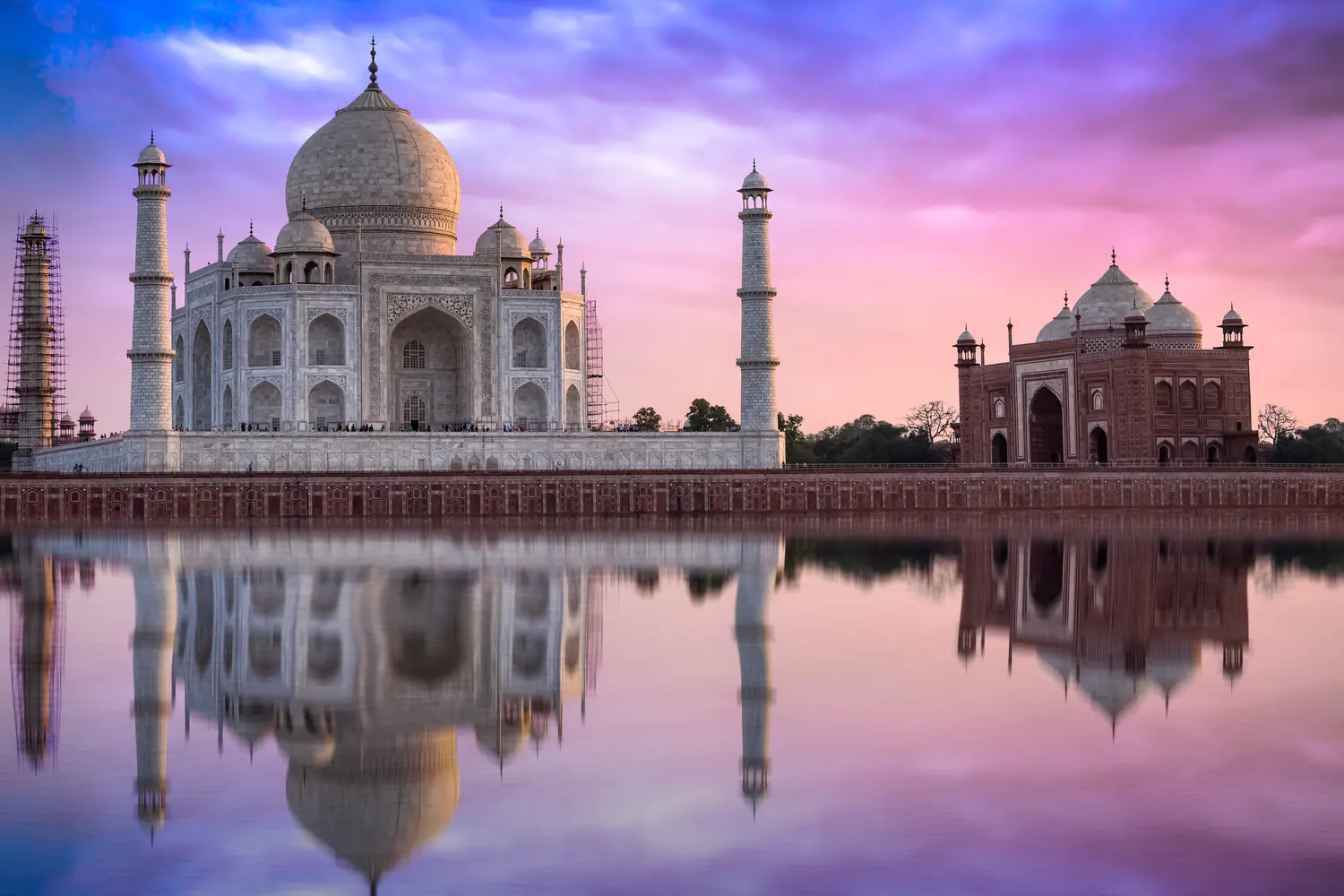
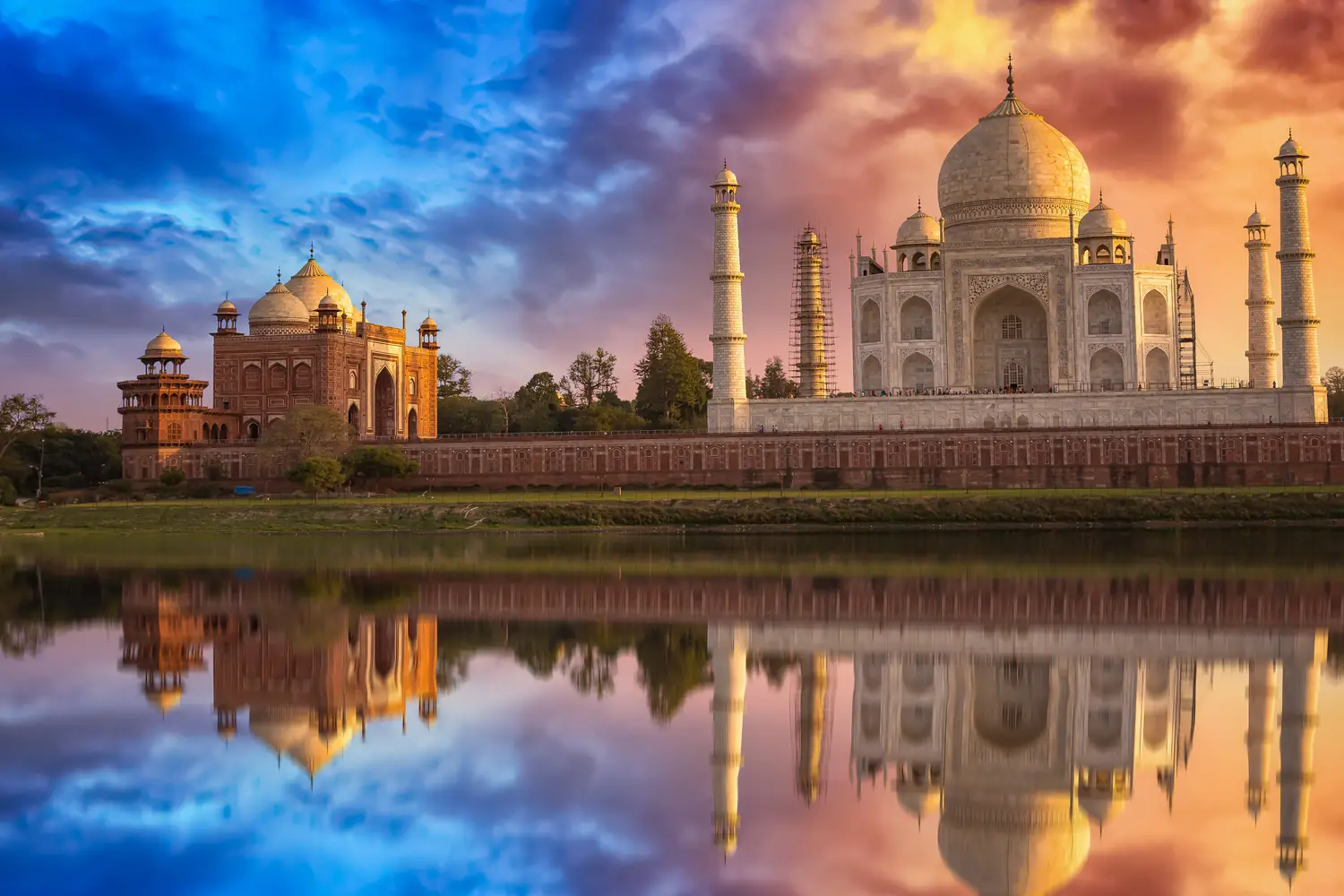

Tell us your dates and the places you want to see. We will check the weather, festivals and crowds, then send a private proposal.