
India is a wonderful place to travel with children, and it can also be an exhausting one if the plan is too ambitious. The families who enjoy it most are the ones who choose fewer places, keep the drives short and leave room for the pool. This guide explains how to plan India with children: which routes work, how to set the pace, what children actually enjoy and what to arrange before you leave.
Reviewed by Mirza Shadab Beg, Founder, Travelage India, Agra · Last updated 28 October 2026 · 9 min read

India works well for families when you slow the pace. Choose one or two regions, keep drives to about five hours with stops, build in pool time and mix in activities children enjoy, such as jeep rides, forts, boat trips and craft workshops. Rajasthan, Kerala and the Golden Triangle are the easiest first choices.
Yes, with the right plan. India offers things that children rarely see at home: forts with huge gates and winding ramps, palaces with painted rooms, boats on lakes and backwaters, markets full of colour, and wildlife that is much easier to see than most people expect. Families who come with curiosity usually find that children adapt faster than adults, and that the people they meet are warm towards young travellers.
It is also true that India is busy, noisy, hot for much of the year and different from most holiday destinations. Long drives, crowded sites and unfamiliar food can tire children quickly. The secret is not to avoid these things but to plan around them: shorter days, more rest, one base for several nights and the right season. Many of our guests tell us that the first two days feel like a lot and the rest feel easy once the rhythm is set.
Fewer than you think. A common mistake is to build a trip around a list of famous names and then spend half of it in the car. Children handle one long drive a day at most, and many families do better with a rule of two nights in each place, so that a hotel change happens only every other day.
As a guide, a trip of seven days works well with two or three bases. A trip of ten days works with three or four. If you have less than a week, stay in one region and consider flying one leg. Do not try to see Delhi, Agra, Jaipur, Udaipur and Kerala in a single trip with young children, however tempting it looks on a map.
Our team plans every family trip around the age of the youngest child. Tell us the ages, and we will tell you what is realistic.
Three regions suit most families on a first visit. Each offers short transfers, comfortable hotels and activities that children enjoy.
| Route | Why it works for families | Good for ages | Our tour |
|---|---|---|---|
| Golden Triangle | Short hops between three cities, famous sights, one driver throughout | Six and over | 5 Days Golden Triangle |
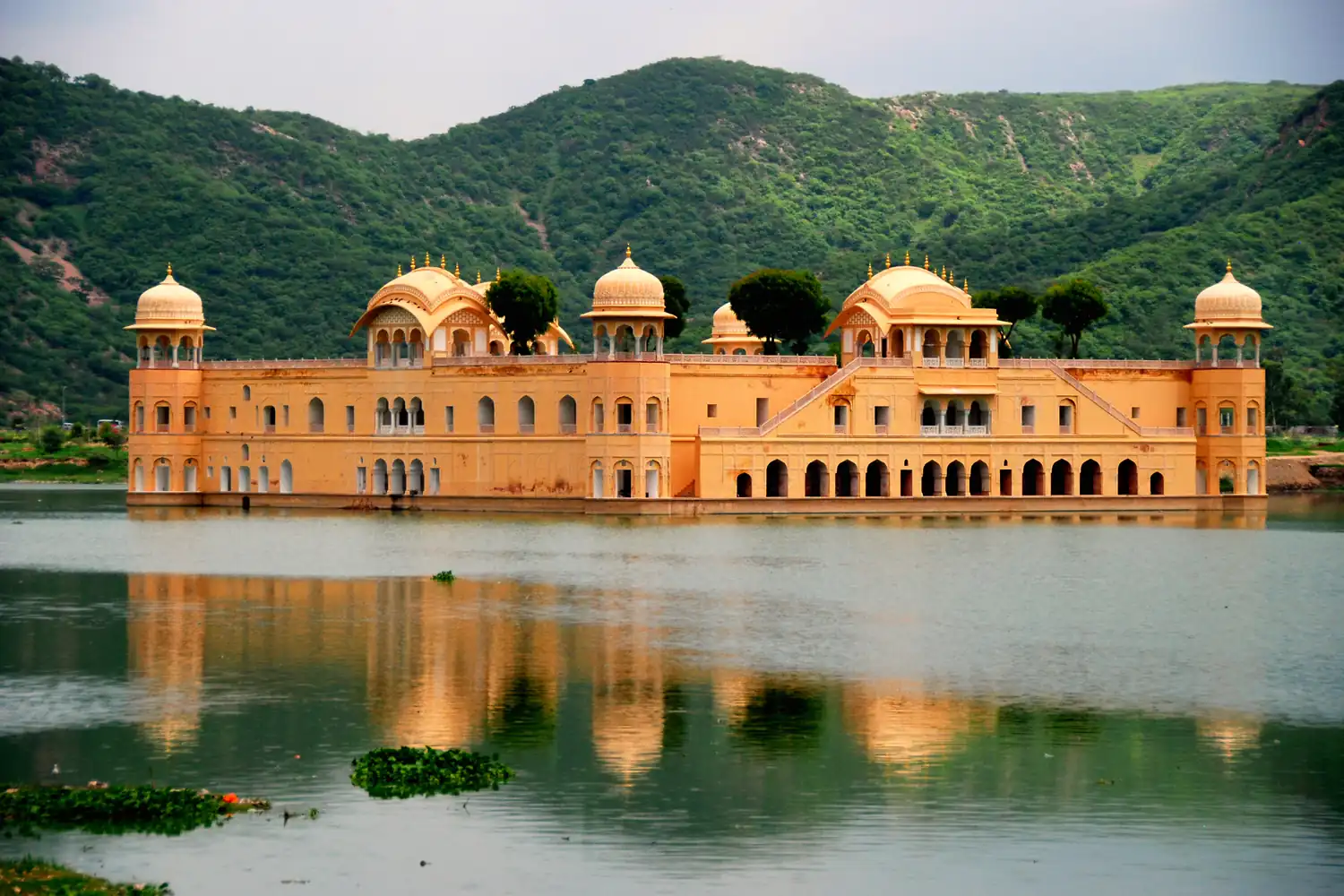
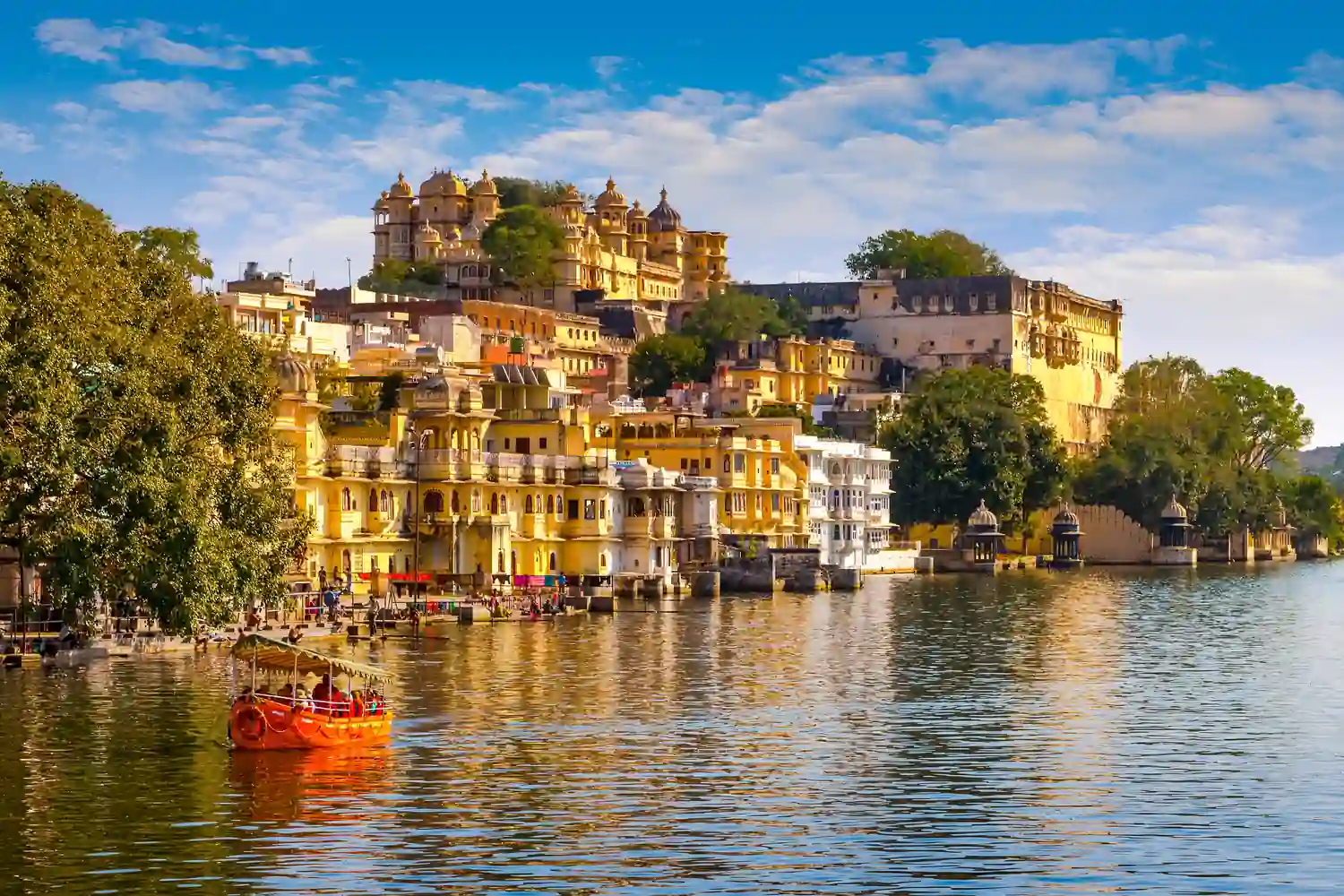
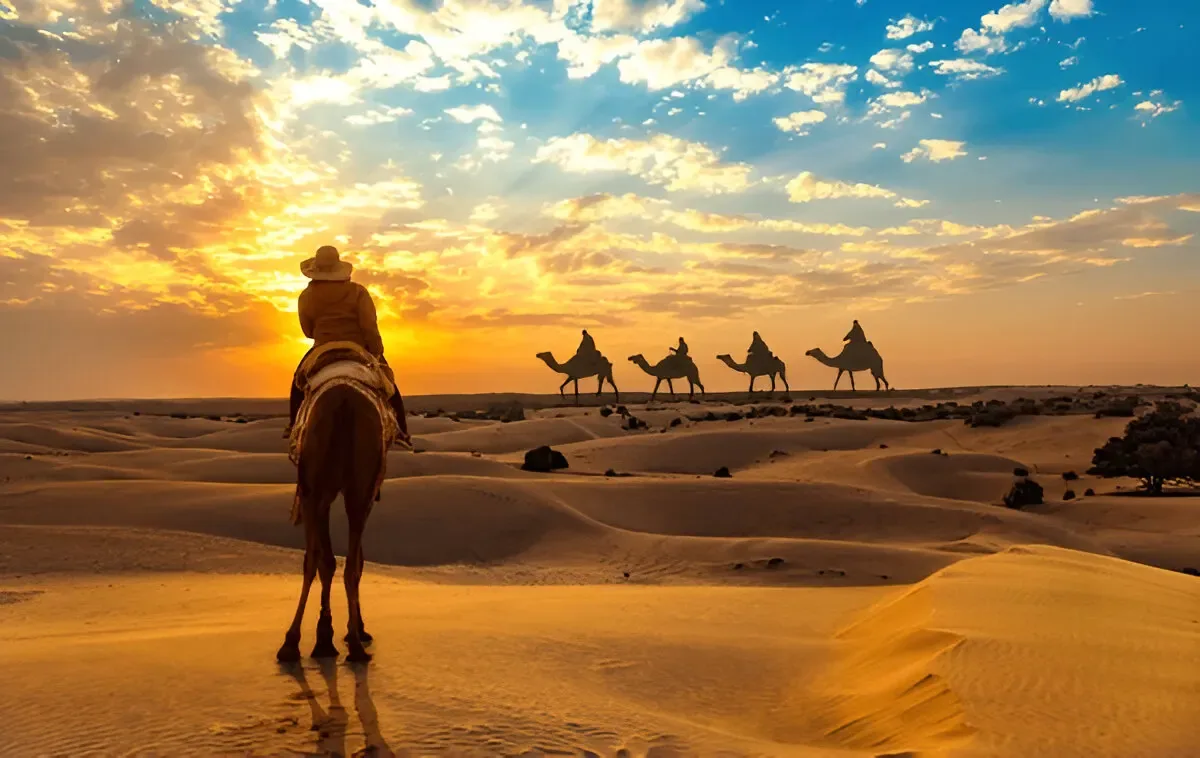
| Rajasthan | Forts, jeep rides, lakes, puppet shows and camels, many family-friendly hotels | Five and over | Rajasthan Family Tour |
| Kerala | Houseboats, short drives, beaches and cooler hill stations | All ages, with care on the water | 5 Days Kerala Backwaters |
| Tiger parks | Jeep safaris and a wildlife-rich landscape, best with older children | Check each park’s rules | Ranthambore from Jaipur |
For a first trip, many families choose either the Golden Triangle with a few extra nights in Jaipur, or a Rajasthan loop built around two lakes and a fort. Kerala is a lovely second trip, or a first one for families who prefer water and greenery to monuments. For wider choices, see our Rajasthan tours and Kerala tours.
Not always what parents expect. Children rarely remember the dates of dynasties, but they remember the things they did with their hands and bodies. The list below comes from what our guests’ children talk about on the way home.
Keep museums, long temple visits and very crowded sites short. One focused hour often works better than two tiring ones.
The right plan depends on the age of the youngest child more than anything else. These are the patterns we use as starting points, and we adjust them when we know your family.
Whatever the age, build in at least one slow day for every four or five days of travel.
This is the part that worries parents most, and with some care it is manageable. Stomach upsets are common for visitors of all ages, so go slowly with new foods and keep to the basics.
Talk to your doctor or a travel clinic about vaccinations and medical advice well before you travel, and make sure you have good travel insurance that covers the whole family. Medical advice changes, so do not rely on a blog post, including this one, for health decisions.
A short list of arrangements before you leave saves a lot of stress on the road.
Season matters too. October to March is the most comfortable for families. Summer is very hot in the north, and the monsoon can be wet. See our best time to visit India guide.
A family on a group tour has to keep to the group’s timetable. A family with a private driver and guide has a different kind of freedom. The car stops when a child needs the toilet or a snack. The guide shortens a fort visit and spends longer at the puppet show. Lunch is at the time your children are hungry, not when a coach schedule says so.
It also helps to have one person who knows the region and can answer a child’s questions, and a local team that you can call at any hour. Our team in Agra has planned journeys since 2003, and we plan family trips around the pace of the youngest child. Our Rajasthan Family tour is a good starting point, and our how it works page explains the process.
Yes, with a slow pace and the right routes. Choose one or two regions, keep drives short and build in rest and pool time.
Children of all ages travel with us. Tell us the ages and we will plan the pace, the hotels and the activities accordingly.
About five hours with real stops is a good limit. Shorter is better for young children, and a flight can replace the longest legs.
On request, subject to availability. Please ask when you book so that we can confirm them before you arrive.
October to March. The weather is milder across most regions, although mornings in the north can be cold and foggy in December and January.
Yes, with some care. Milder dishes are easy to find, and hotels can prepare simple meals. Tell us about allergies and dietary needs in advance.
Often, for older children, but each park has its own rules about age and safari type. Ask us before you book so that we can check the current rules.
Many families enjoy them. Choose a reputable operator, ask about life jackets and supervise young children closely near the edge of the boat.
Private tours usually suit families better, because the pace, the stops and the meals follow your children, not a group timetable.
Related journeys: Rajasthan Family Tour, Kerala Tours, Golden Triangle Tours.

Mirza Shadab Beg began as a local tour guide in Agra and founded Travelage in 2003. He has worked as a local handling agent for BTI Sita, HRG Sita, Kuoni Travel Business, Century Travel and Gilpin Travel. Travelage is rated 4.9 on Tripadvisor from 466 reviews, is registered with the Ministry of Tourism NIDHI database (ID EUP000616), and has been recognised by Les Clefs d’Or India. Facts such as timings and rules are checked before each update, and may change.
Tell us the ages of your children. We will plan the pace, the hotels and the activities.