
A two-day plan for Haridwar and Rishikesh from Delhi: the evening Ganga aarti, the ghats and bridges, a yoga class, the best time to go and how to add the river towns to a north India trip.
Reviewed by Mirza Shadab Beg, Founder, Travelage India, Agra · Last updated 28 October 2026 · 10 min read
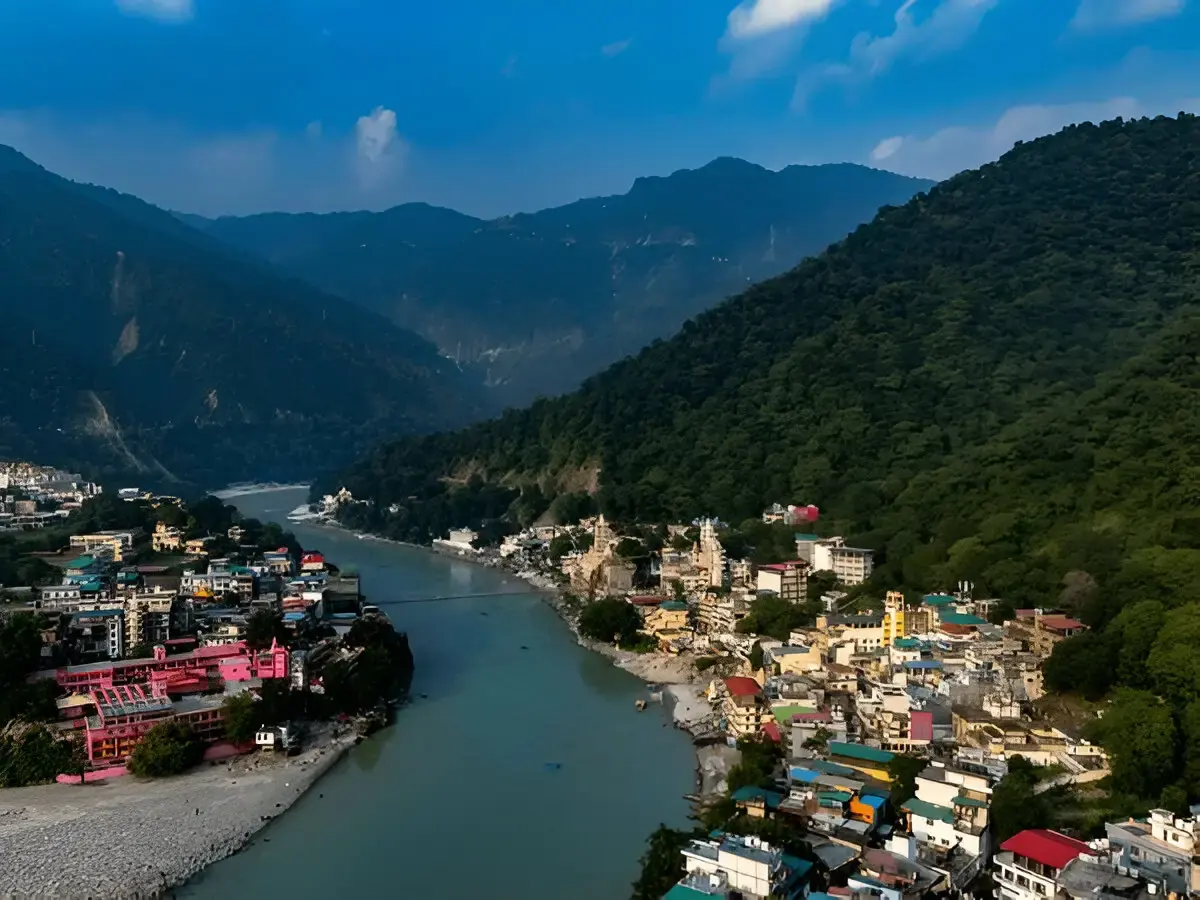
Haridwar and Rishikesh fit into two days from Delhi, about 215 to 240 km and five to six hours by road. See the evening Ganga aarti at Har ki Pauri, then walk the ghats and bridges of Rishikesh and try a yoga class. Both are holy towns, so meat and alcohol are generally not served in the main areas.
Yes, and it is a rewarding add-on to a north India trip. The two towns lie on the Ganges where the river leaves the Himalayan foothills and spreads onto the plains. Haridwar is the older, busier pilgrim town of ghats, temples and evening fire ceremonies. Rishikesh is quieter and more spiritual in a modern sense, with ashrams, yoga schools, riverside cafes and hanging bridges. They are only about 25 km apart, so one night in the area gives you a taste of both.
The plan we suggest is simple. Drive from Delhi to Haridwar on day one and arrive in time for the evening aarti at Har ki Pauri. Spend the night in Rishikesh, which is better for sleeping and for a morning walk. On day two see the bridges, the ashrams and a yoga class, then return to Delhi or continue north. If you can add a second night, you will feel less rushed and can include a morning session of meditation or a gentle rafting trip in season.
Both towns can be reached by a private car on the road from Delhi. Distances are approximate, and road work and traffic can change the time, so plan an early start.
| Leg | Distance | Time by road | Notes |
|---|---|---|---|
| Delhi to Haridwar | About 215 km | About 5 hours | A steady morning drive, with a break for breakfast |
| Haridwar to Rishikesh | About 25 km | 45 minutes to an hour | Passes through the edge of Rajaji National Park forest |
| Delhi to Rishikesh | About 240 km | 5 to 6 hours | Direct route if you skip Haridwar |
| Dehradun airport (Jolly Grant) to Rishikesh | About 20 to 30 km | About 45 minutes | Useful if you fly in instead of driving |
There are also trains from Delhi to Haridwar. A private car is usually more comfortable, especially with luggage, and lets you stop wherever you wish.
Haridwar is one of the oldest pilgrim towns on the Ganges, and a place where the river is treated as a goddess. The central site is Har ki Pauri, a broad ghat built for bathing. Pilgrims step into the cold, fast-flowing water, holding on to chains fixed to the steps. Even if you do not bathe, the scene is moving.
Arrive in the afternoon and take a short walk through the bazaars to see the stalls of brass pots, garlands and bangles. Reach Har ki Pauri about an hour before sunset, because it fills up. At dusk the Ganga aarti begins: priests with great flaming lamps, bells, chanting, and thousands of small leaf boats with flowers and candles are set on the water. It is one of the best known aartis in India, and it is both lively and sincere. Ask your guide where to stand for a good view that is not in the middle of the crowd.
If you have time earlier in the day, the Mansa Devi temple on a hill above the town can be reached by cable car, and gives a wide view of the river and the ghats. After the aarti, drive on to Rishikesh for the night.
Rishikesh is known as the yoga capital of the world, and many of its teachers and schools welcome visitors for drop-in classes. It sits on both banks of the Ganges, and the best way to feel the town is on foot.
Begin with the river at dawn, when the air is cool and the ghats are quiet. Walk to the Ram Jhula suspension bridge and cross to the ashram side, where lanes of cafes, bookshops and yoga halls stretch up the bank. Laxman Jhula, the older bridge further up the river, has been restricted since 2019, so ask locally which crossings are open on the day.
The ashram of the Maharishi that the Beatles visited in 1968 lies in the forest on the east side. It has been reopened as a quiet, graffiti-covered site, and its entry arrangements have changed over the years, so check the current rules before you plan. Many travellers enjoy a morning yoga or meditation class, then lunch at a riverside cafe, then a slow afternoon. In the evening, there are aartis on the riverbank at Triveni Ghat and at several ashrams, which are gentler and more intimate than the one at Haridwar.
If you have only one evening, the answer depends on whether you want drama or calm. Our guests often see both on a two-day plan, one in each town.
| Haridwar (Har ki Pauri) | Rishikesh (Triveni Ghat and ashrams) | |
|---|---|---|
| Scale | Very large, with thousands of people | Smaller and more personal |
| Atmosphere | Loud, bright and grand | Softer and more meditative |
| Best for | First-time visitors who want a spectacle | Travellers who prefer a quiet, reflective evening |
| Timing | At dusk, so it changes with the season | At dusk, with variations by ashram |
| Tip | Arrive early to find a place | Choose an ashram aarti with your guide |
Always check the timing with your hotel or guide on the day, because the aarti follows sunset and can be adjusted for weather and special occasions.
Yes, with realistic expectations. A single night is not enough to learn yoga, but it is enough for a good class, a walk through an ashram and a feel for the town.
If you want a deeper programme, plan a longer stay. Our North India Spiritual Journey gives more time for the river towns, Varanasi and beyond.
Both towns are holy, and a few simple habits make the visit smoother for you and more respectful for the people who live there.
For general travel guidance in India, see the national tourism site Incredible India.
The towns are at the foot of the Himalaya, so the weather is milder than the plains in summer but colder in winter.
| Season | Months | What it is like |
|---|---|---|
| Best | October to March | Cool, clear and pleasant. Winter nights can be cold, and mornings can be foggy |
| Spring | Late February to April | Fresh and green, with the International Yoga Festival usually held around early March, so book early |
| Hot | May to June | Hot by day, with a cooler riverside. Rafting is at its busiest |
| Monsoon | July to September | Heavy rain and a high river; rafting is closed and landslides can slow the roads |
Large festivals and bathing days can bring enormous crowds to Haridwar. The Kumbh Mela is held there every twelve years, with a smaller gathering between, and it should be planned months ahead. If you are not seeking the crowds, avoid those dates.
These towns can be confusing on a first visit. The ghats are crowded, the lanes are narrow and the choice of ashrams and classes is wide. A local guide can take you straight to the right spot for the aarti, explain what is happening and keep you out of the pushy corners. A private driver means you do not have to arrange a taxi at dusk with the crowds leaving the ghats, and you can leave the town at the pace you choose.
We often attach this stop to a longer route, for example the Golden Triangle with Haridwar and Rishikesh tour, so the long road from Delhi becomes part of a planned journey rather than a separate trip.
About 240 km, five to six hours by road. Haridwar is slightly nearer, at about 215 km, and the two towns are about 25 km apart.
Two days with one night is the minimum, and gives you the Haridwar aarti and a day in Rishikesh. A second night allows a slower pace and a longer yoga or meditation session.
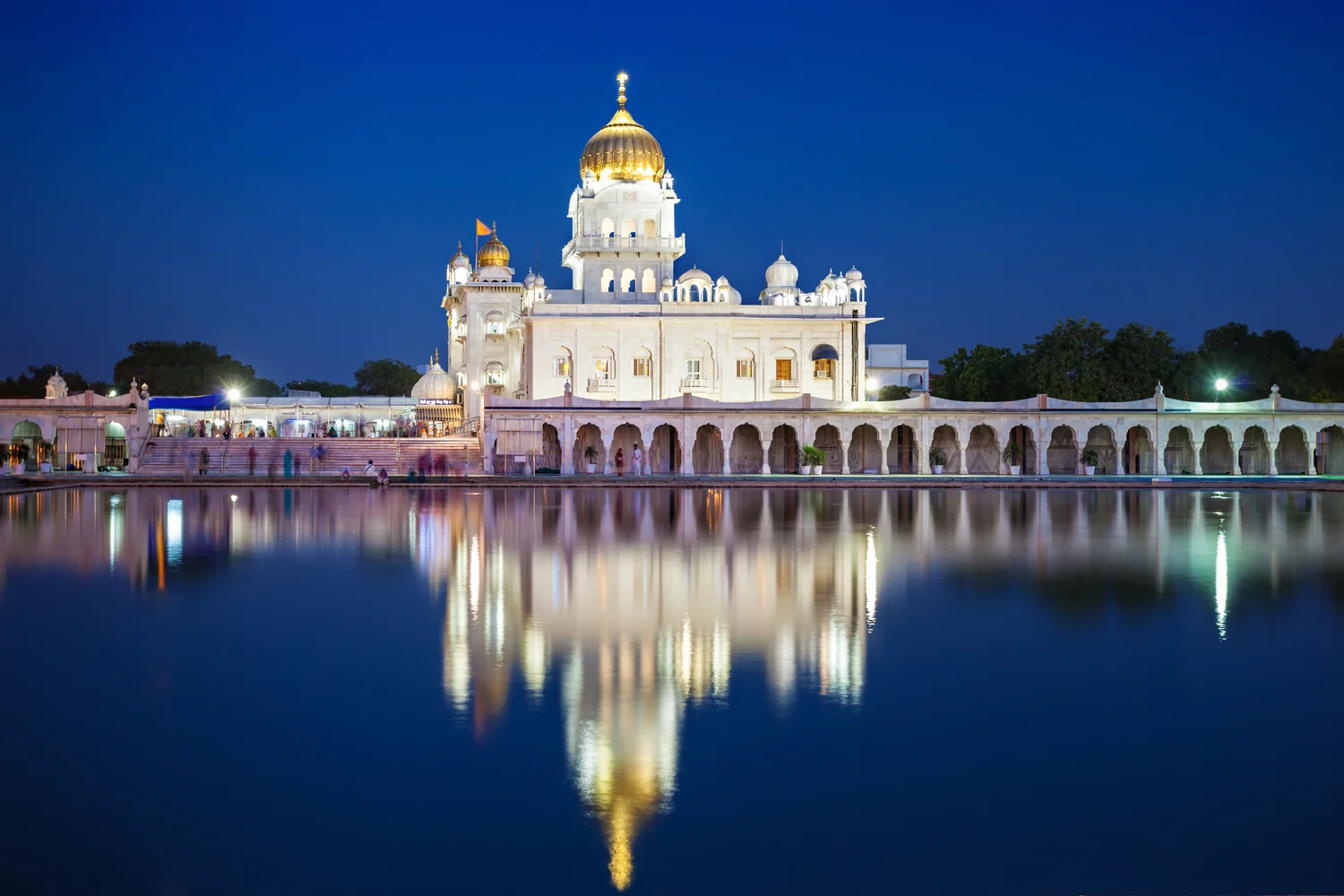
The main ghat at Haridwar, a broad bathing place on the Ganges where the evening Ganga aarti takes place at dusk.
Generally not in the main pilgrim areas, and meat and eggs are also not usually served there. Hotels outside the central area may have different rules.
No. It is seasonal, runs in the cooler months and closes in the monsoon when the river is high. Check with us for your dates.
It is possible, but the road takes most of the day and leaves little time for the aarti. We recommend at least one night.
They are different. Haridwar is the large, traditional pilgrim town with the spectacle of the evening aarti, and Rishikesh is the quieter river town for yoga, walks and cafes. Most guests enjoy both.
October to March is the most comfortable, with cold winter nights. Spring is also pleasant, and the monsoon is wet with a high river.
Related journeys: Golden Triangle with Rishikesh, North India Spiritual Journey, Golden Triangle Tours.

Mirza Shadab Beg began as a local tour guide in Agra and founded Travelage in 2003. He has worked as a local handling agent for BTI Sita, HRG Sita, Kuoni Travel Business, Century Travel and Gilpin Travel. Travelage is rated 4.9 on Tripadvisor from 466 reviews, is registered with the Ministry of Tourism NIDHI database (ID EUP000616), and has been recognised by Les Clefs d’Or India. Facts such as timings and rules are checked before each update, and may change.
Tell us your dates. We will plan the drive, the aarti and a yoga class.